Title
Date
Need
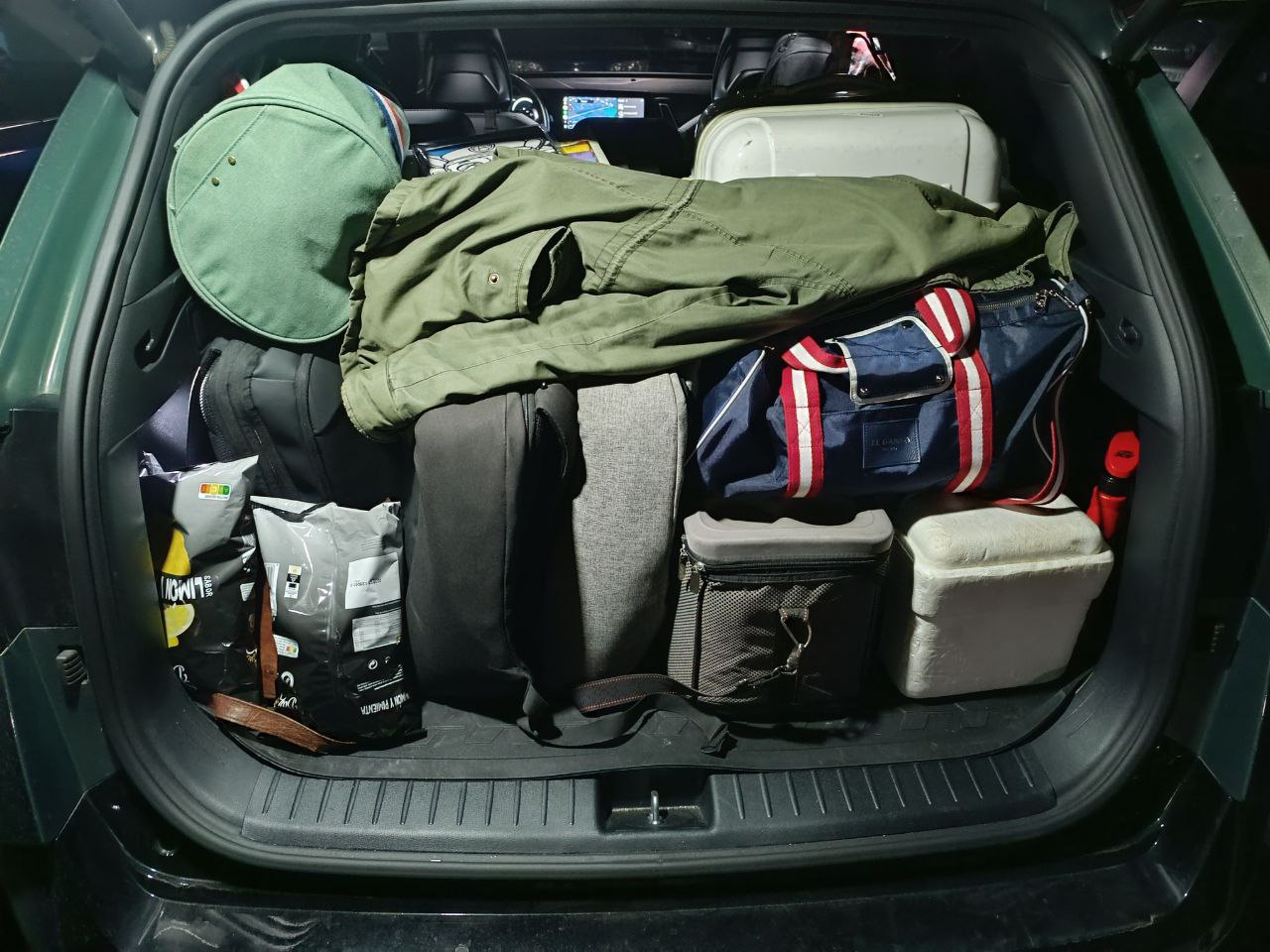
The current trunk lighting is a common problem: it is so dim that it barely helps and, even worse, it gets blocked as soon as the first suitcase is placed. In the end, the luggage itself ends up covering the light, forcing the user to search for their belongings in the dark or use their phone flashlight.
Purpose
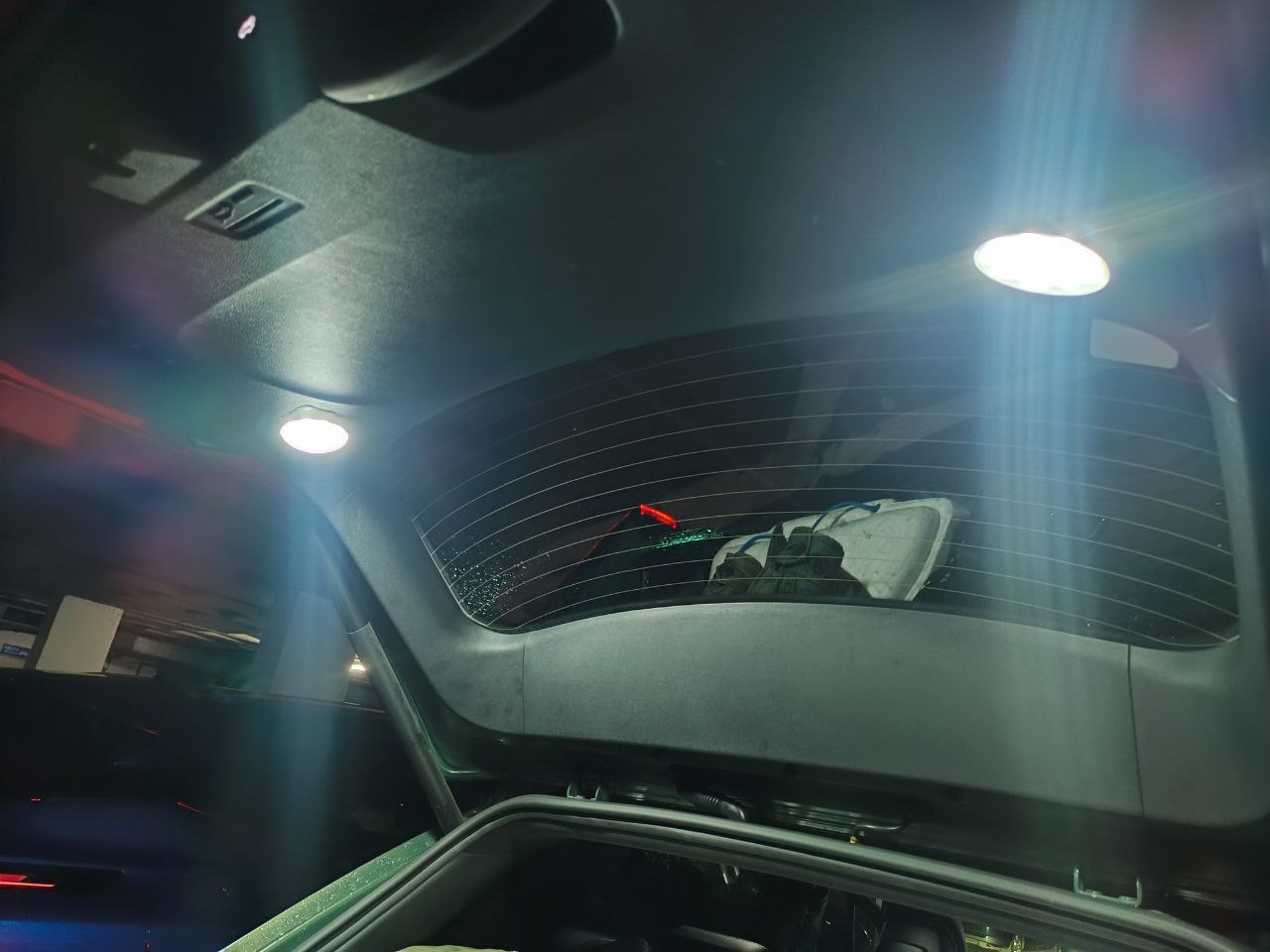
Implement a two-light system that ensures the entire trunk is always illuminated, so it doesn’t matter how full the trunk is or where the items are placed; the priority is to be able to find things quickly and effortlessly on the first try.
Requirements
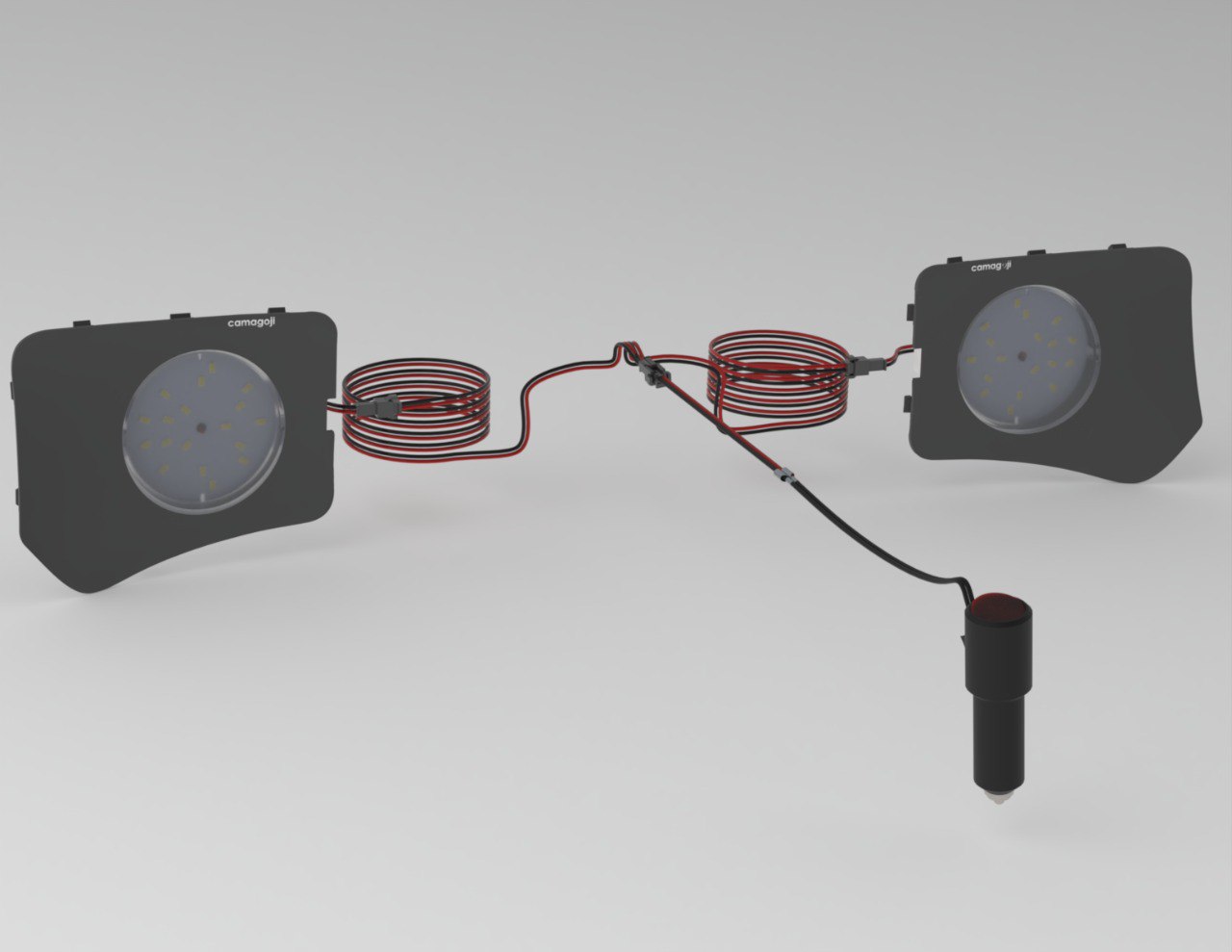
Aesthetic integration: The system must be fully integrated into the plastic trims of the tailgate so that it does not protrude or appear as an external add-on, respecting the original aesthetics of the vehicle.
Simplified installation: The design should allow for easy and quick installation, so that any user can install it without the need for complex tools or advanced knowledge.
Electrical independence: The circuit must be completely isolated from the vehicle’s main electronics to avoid any possible conflicts or failures in the central system.
Warranty protection: Installation should not require permanent modifications or cutting of the vehicle’s original wiring, ensuring that the manufacturer’s official warranty remains unaffected.
Direct user control: Switching the lights on and off must be managed directly by the user, allowing the lights to be activated only when needed and entirely manually.
Implemented Solution
The project execution was structured in four key phases to ensure the solution is technical, aesthetic, and safe:
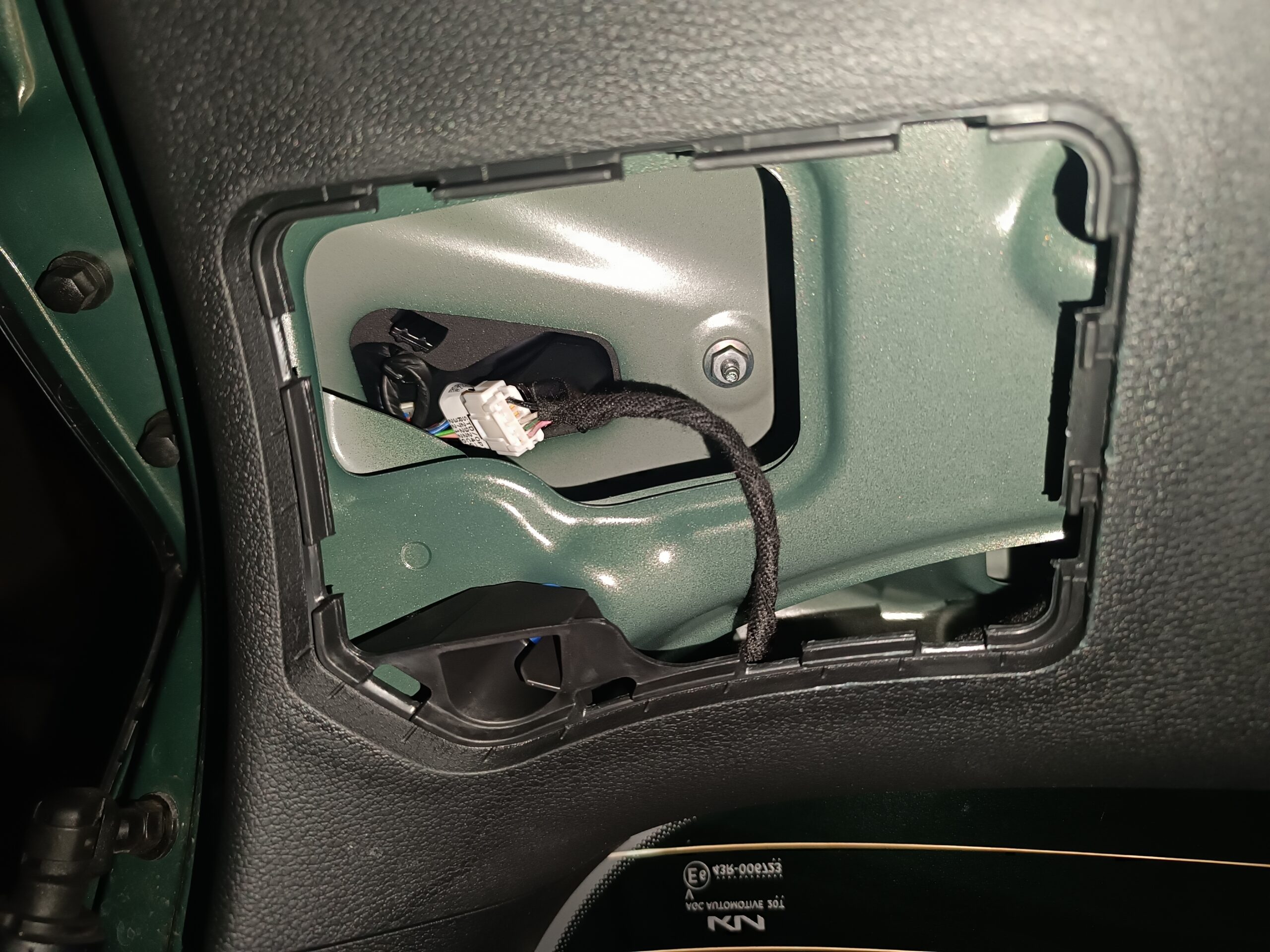
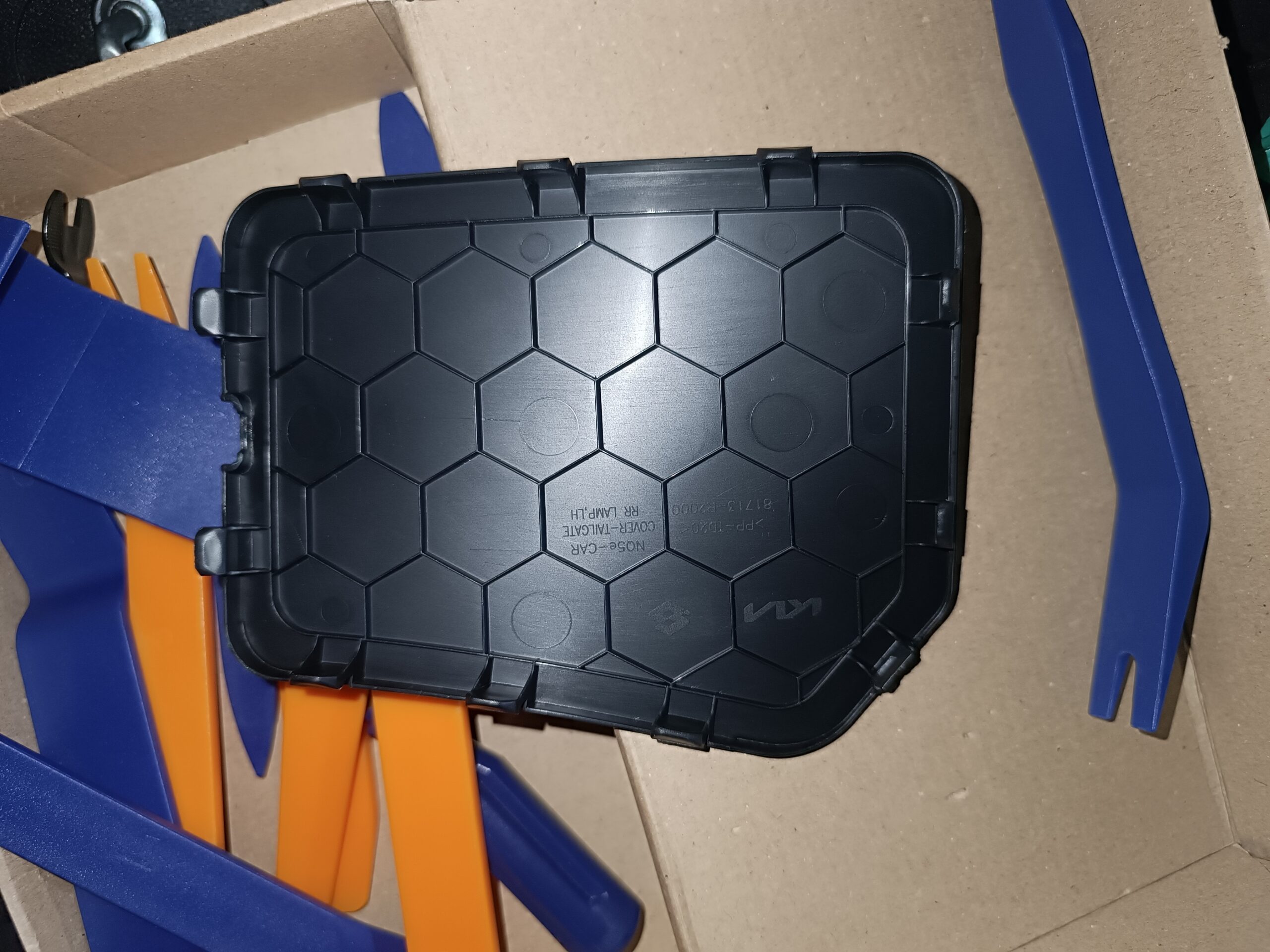
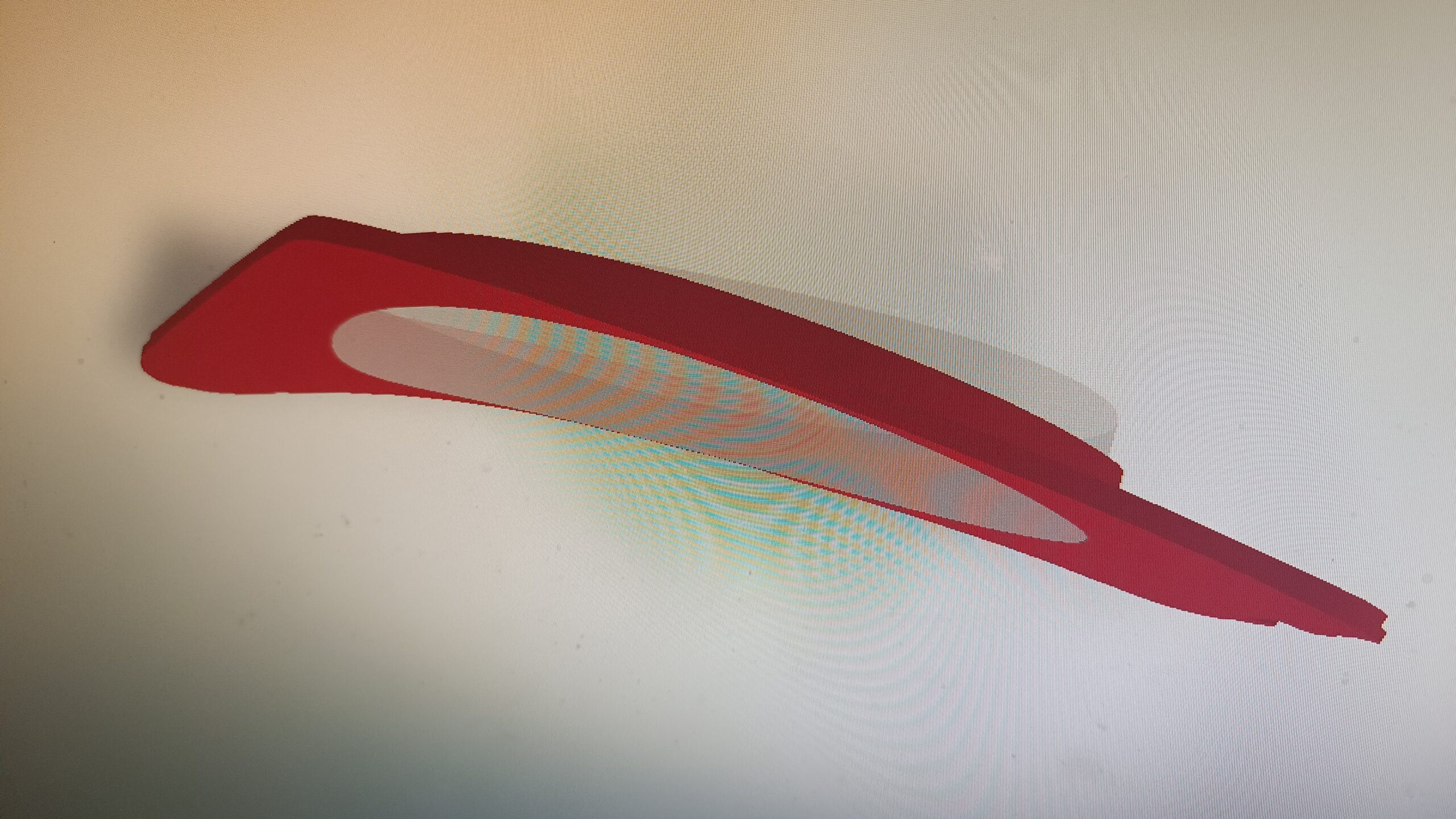
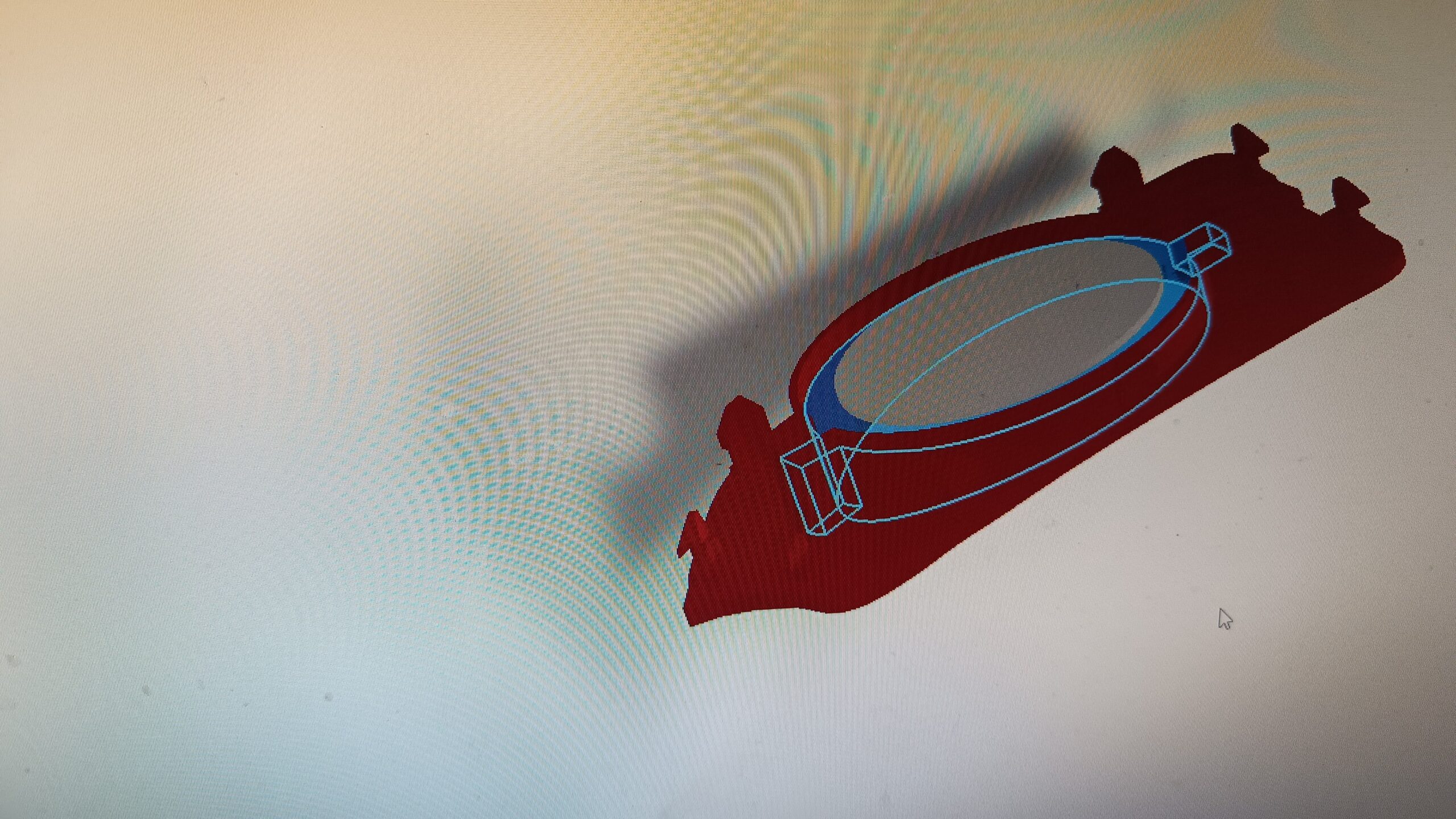
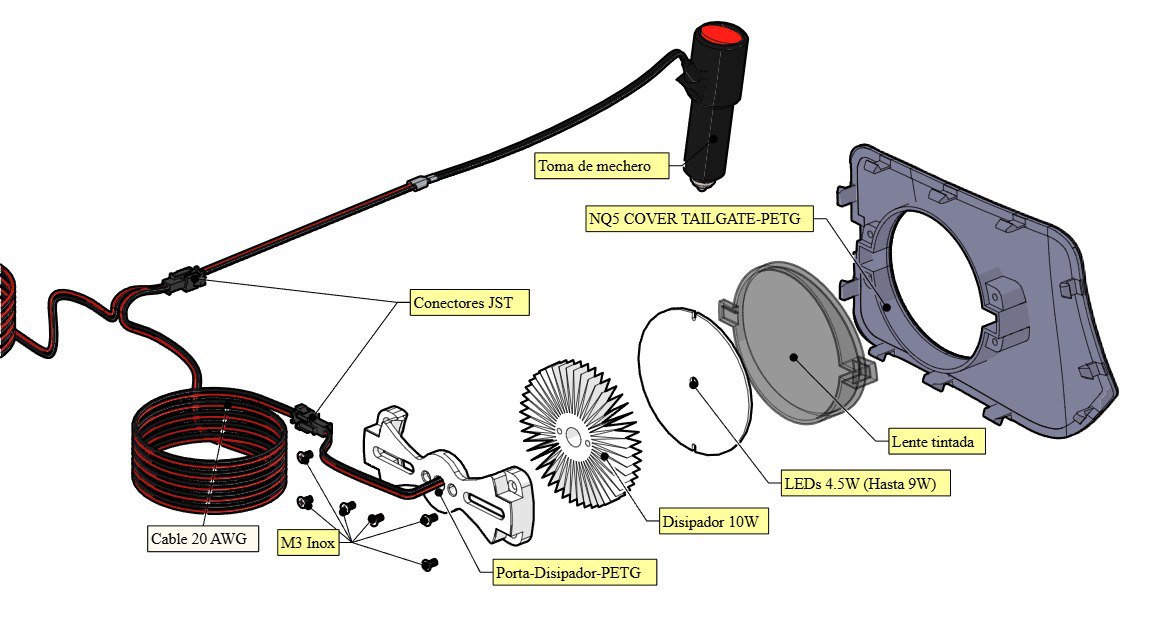
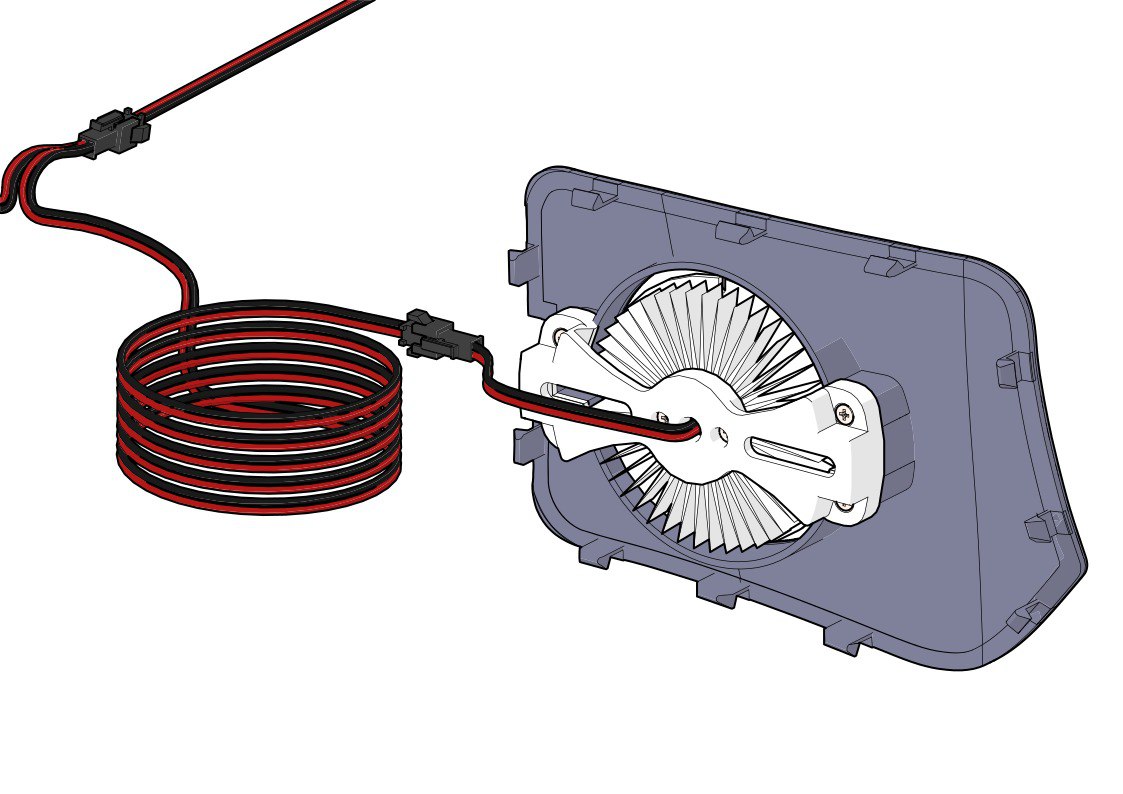
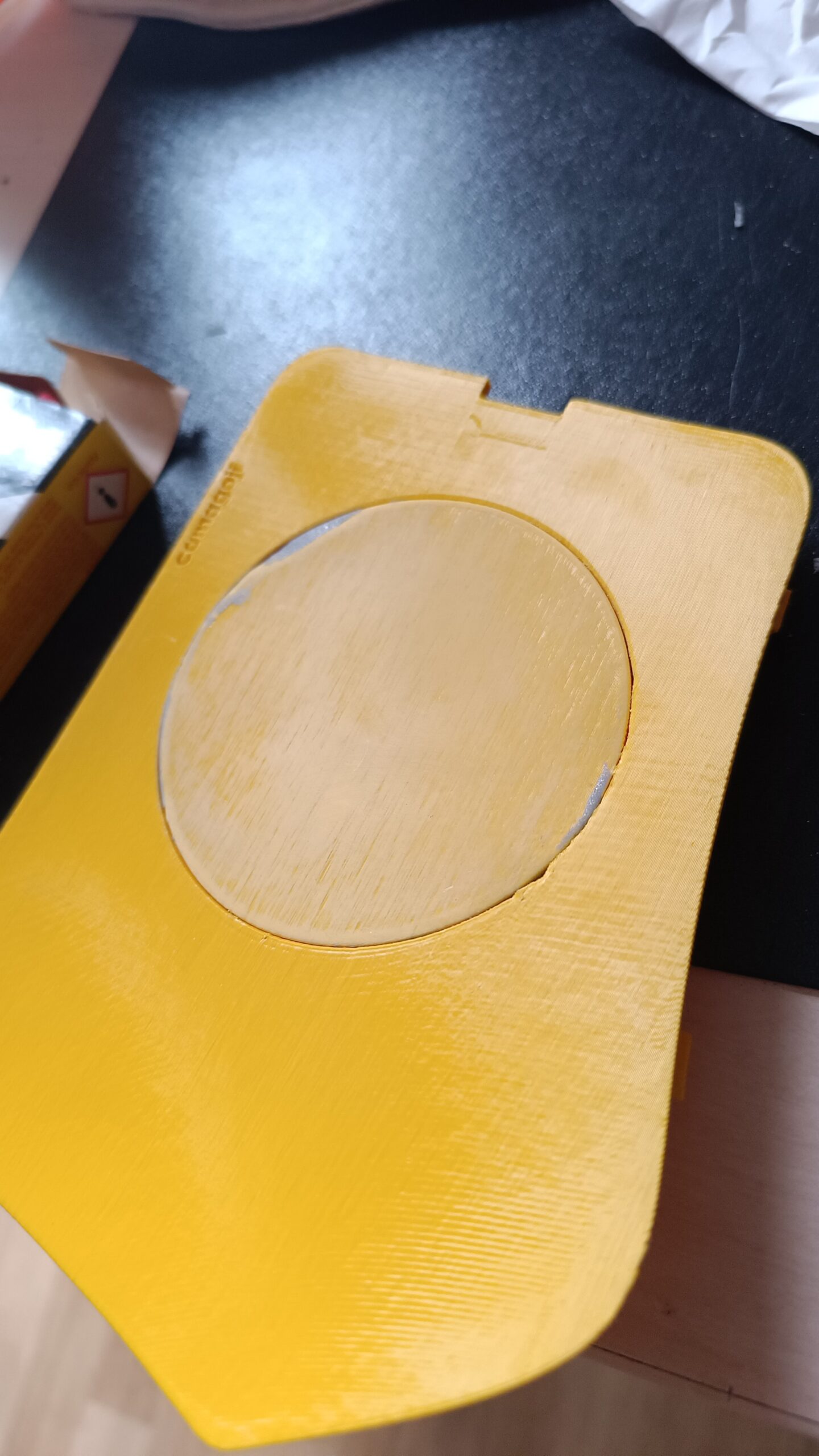
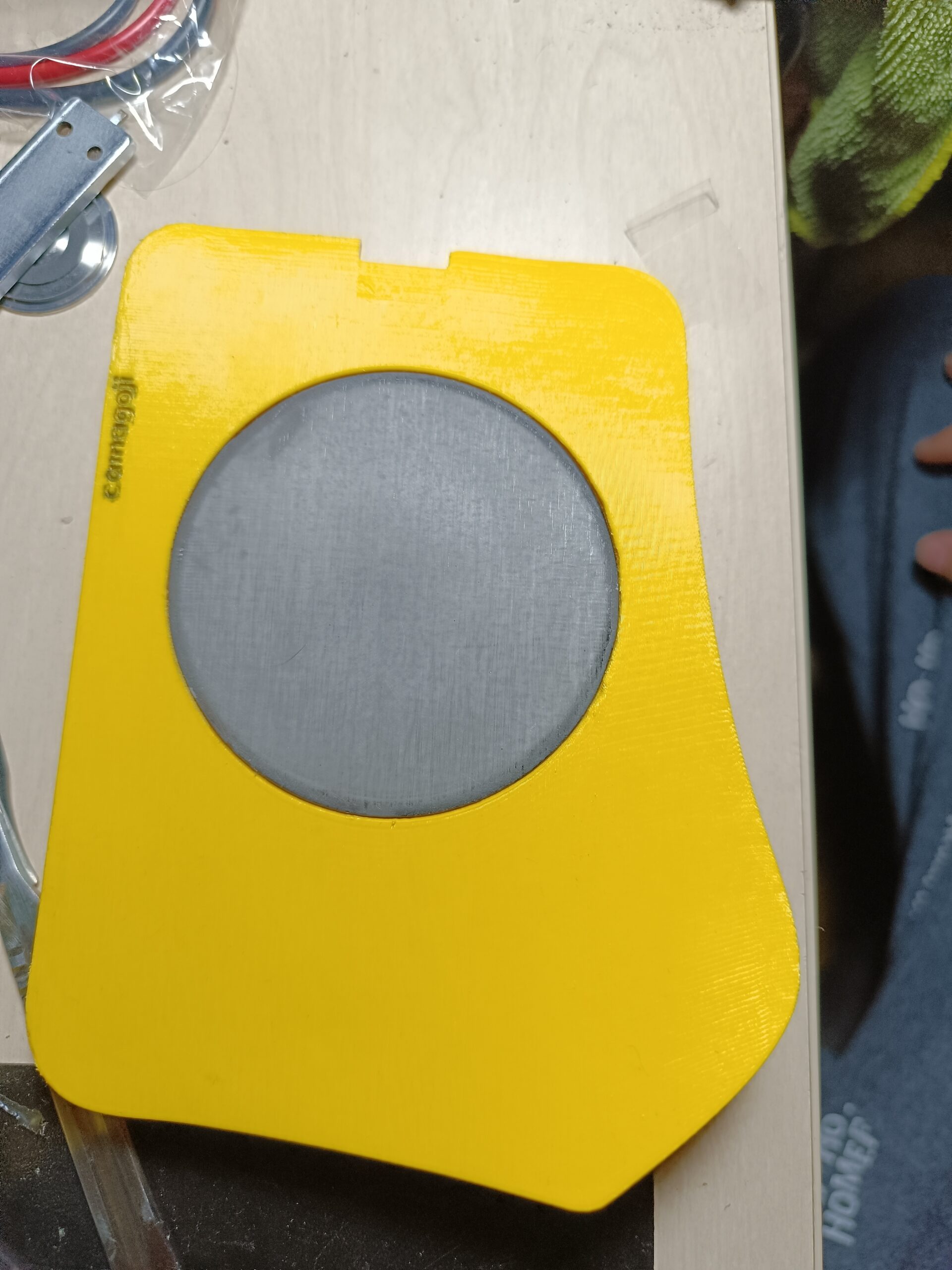
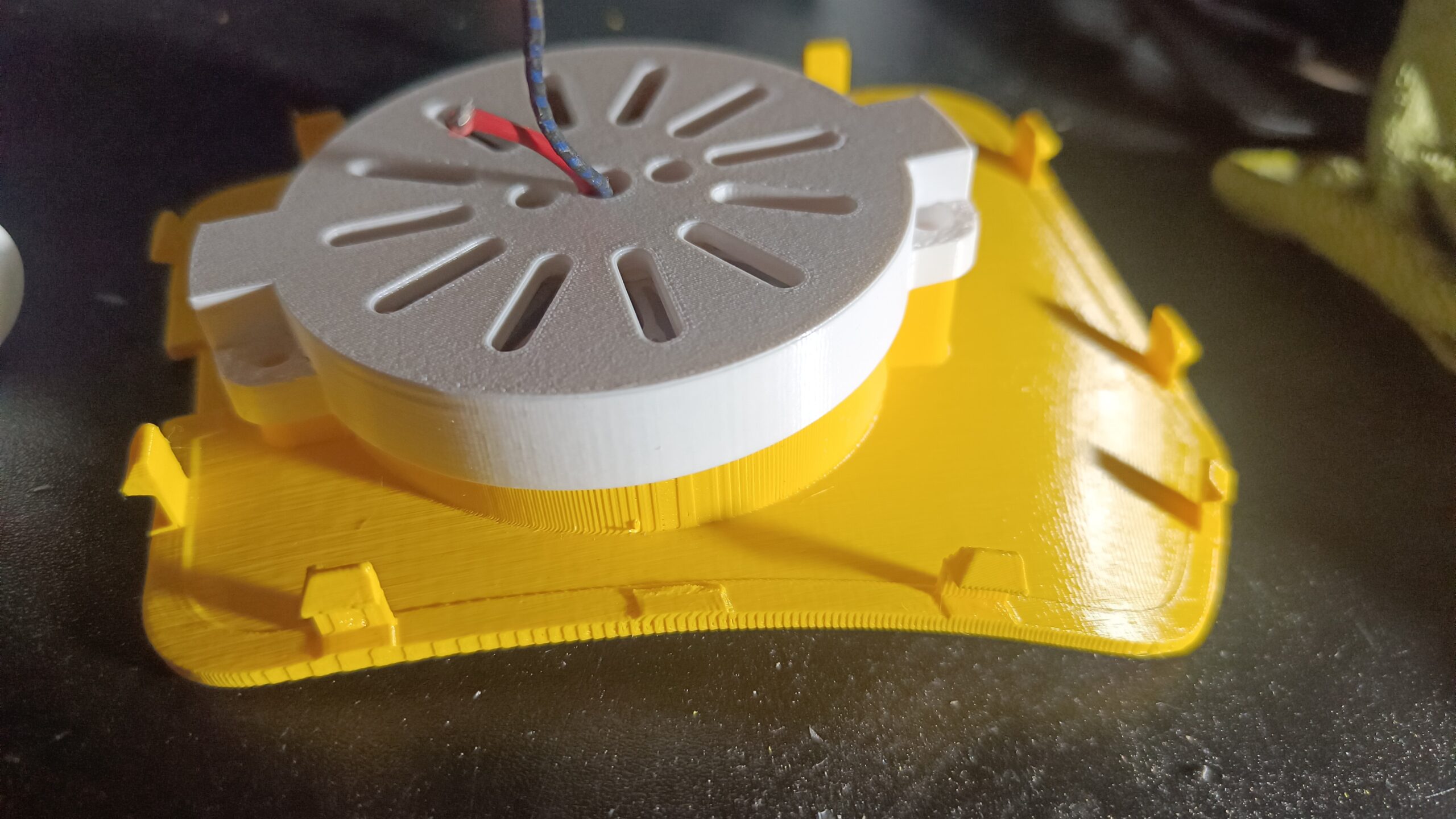
Environment and placement study: After analyzing the trunk, it was determined that the most efficient access is through the service covers located behind the existing lights. The final solution involves replacing these original covers with new parts that directly integrate the lights, utilizing the existing spaces without modifying the car’s structure.
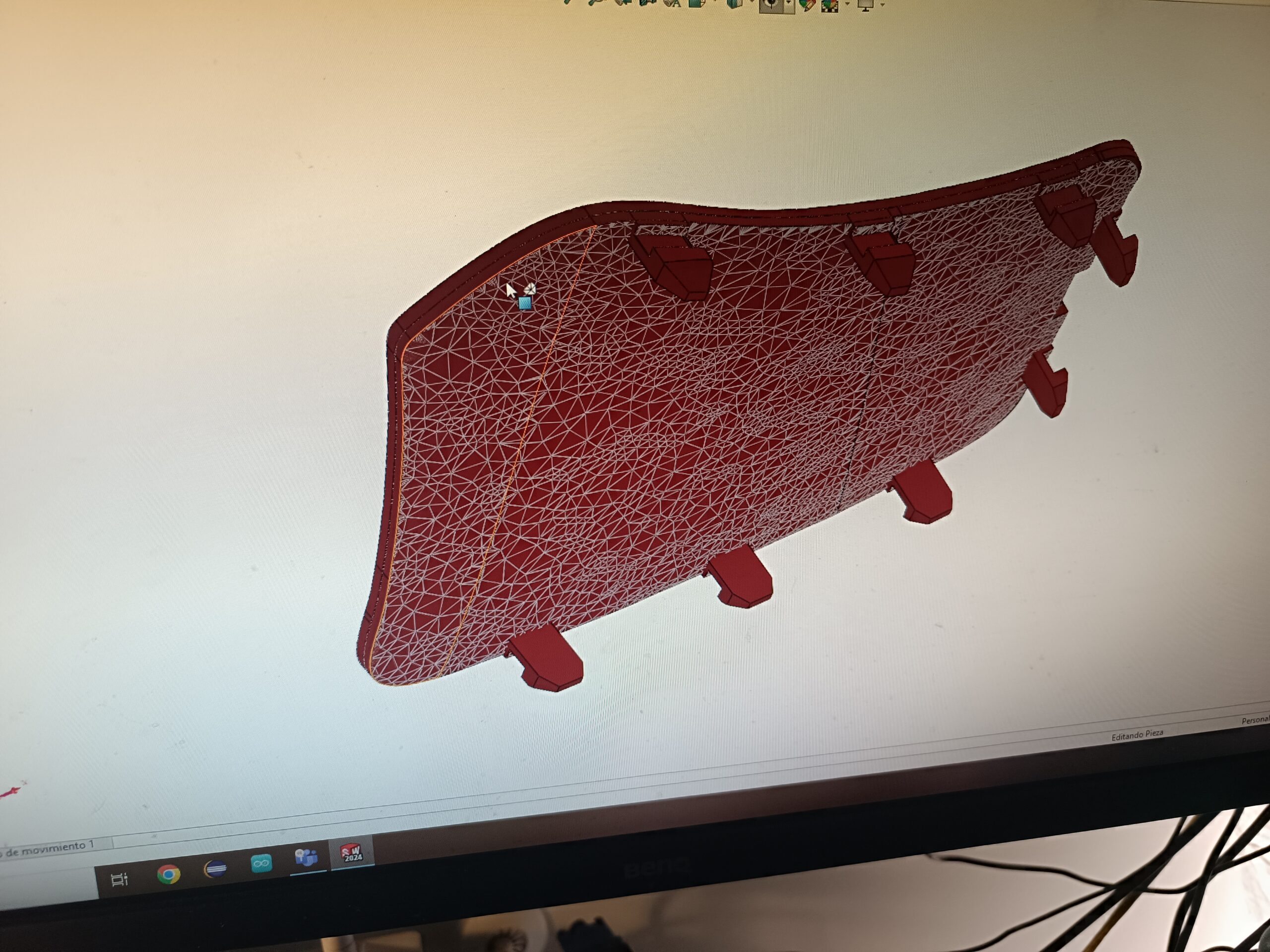
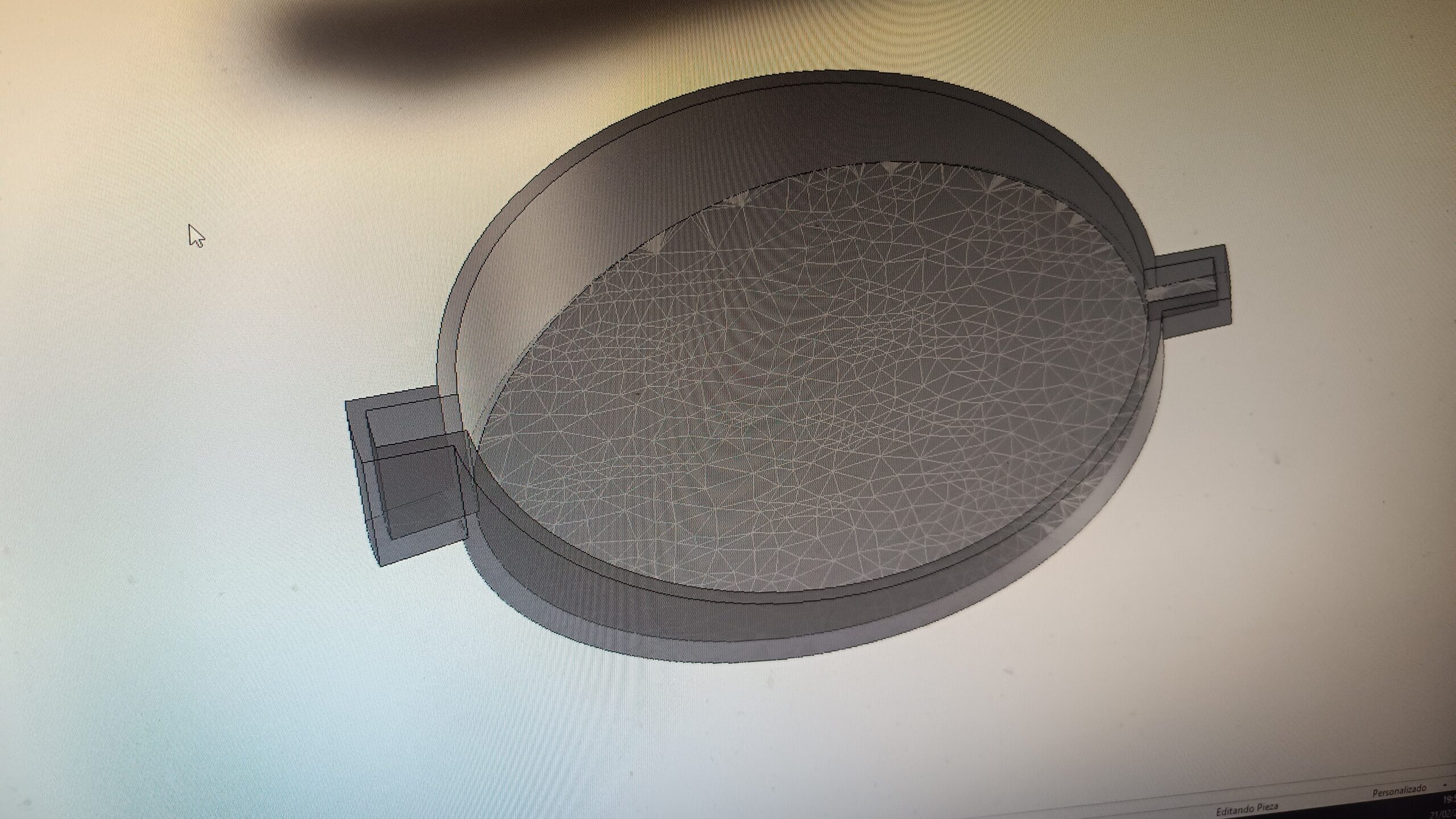
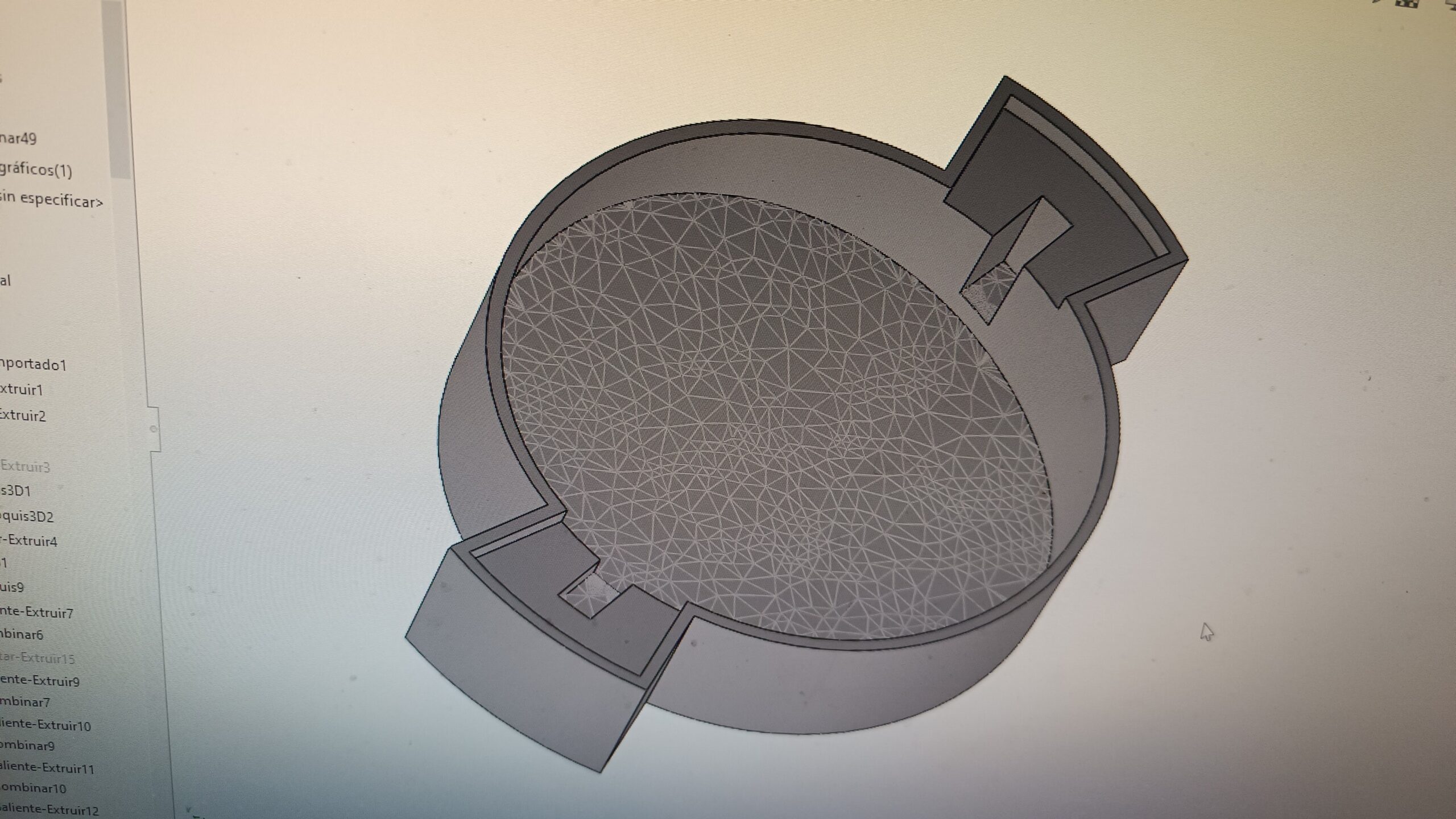
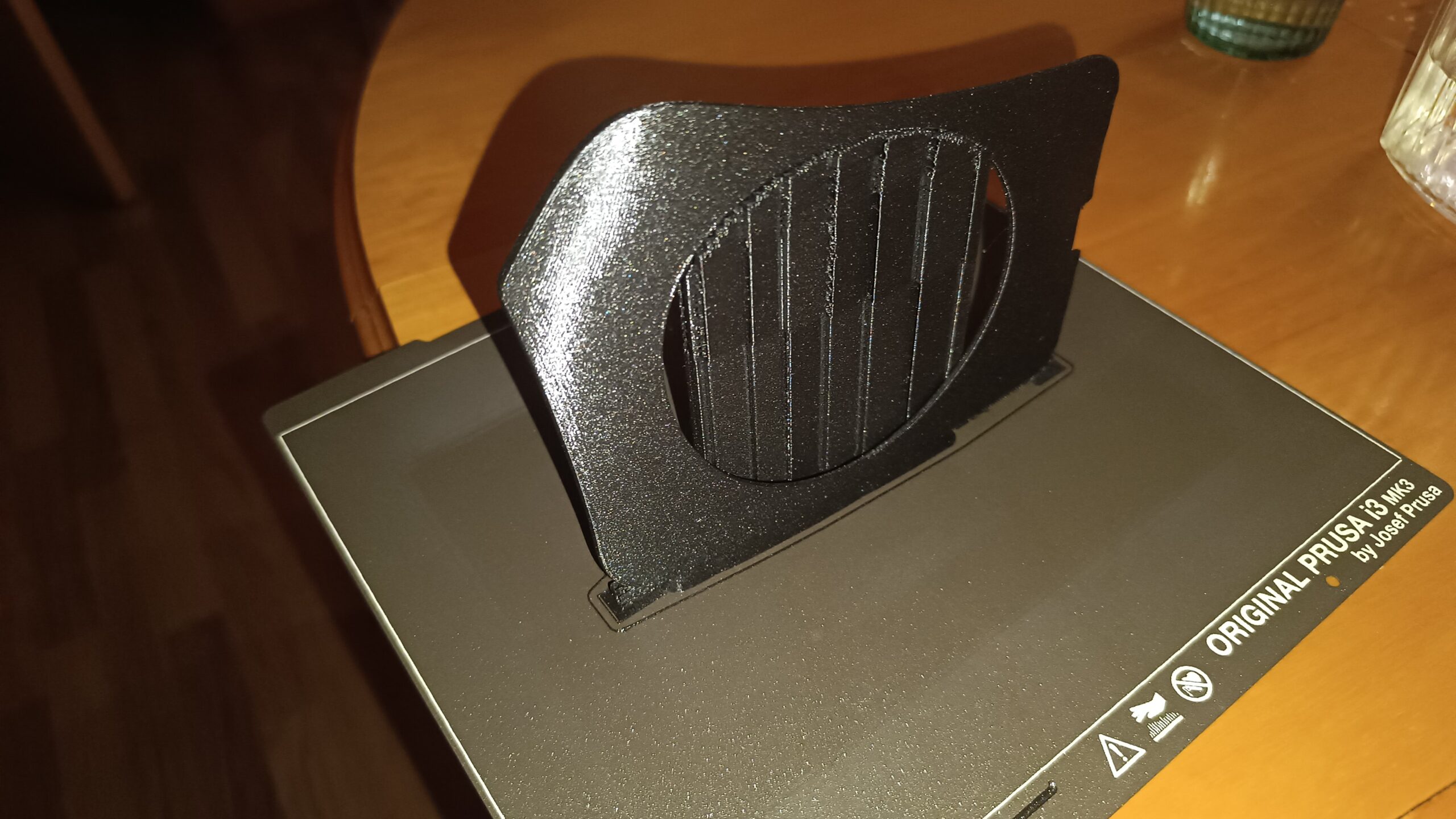
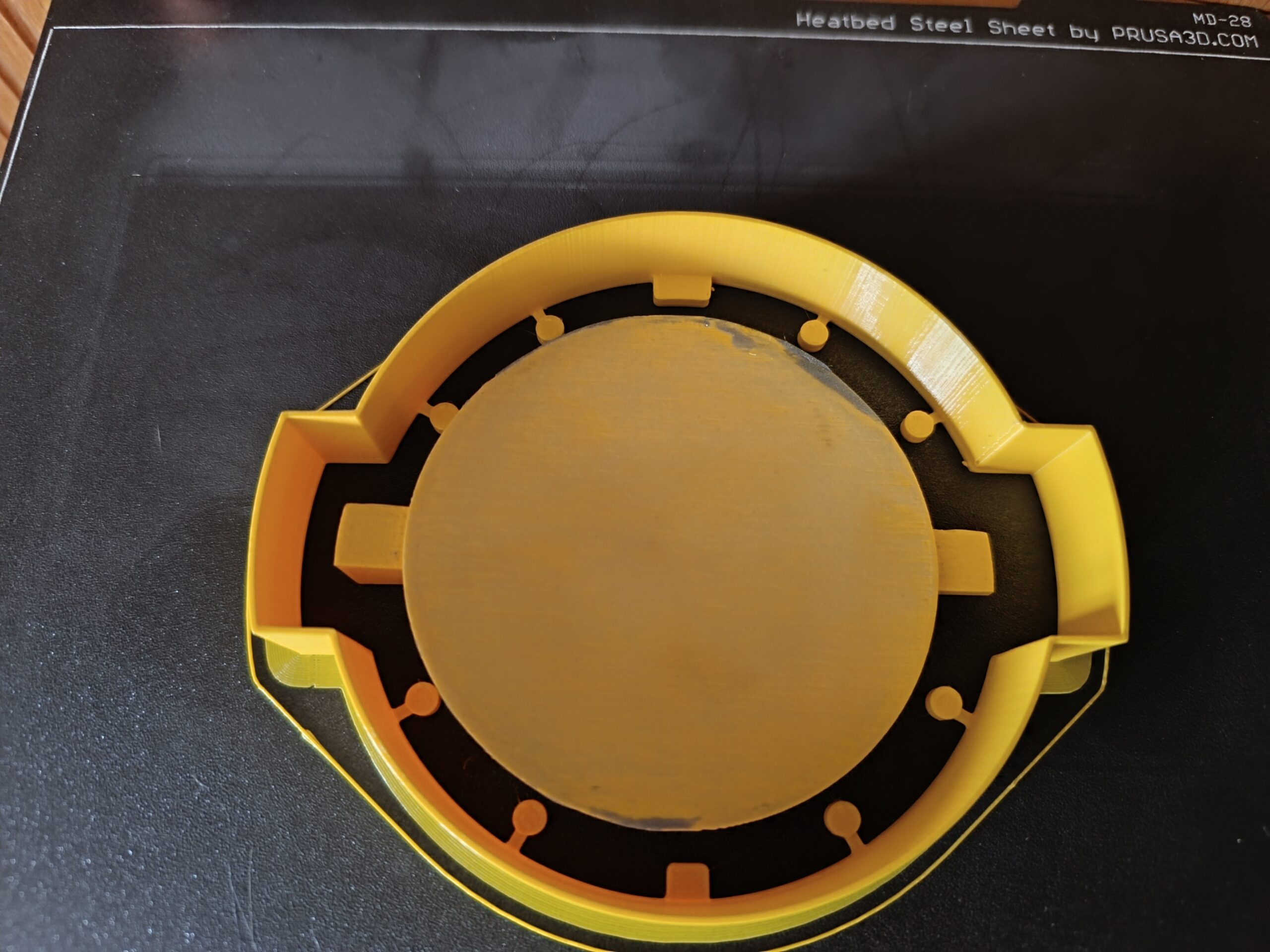
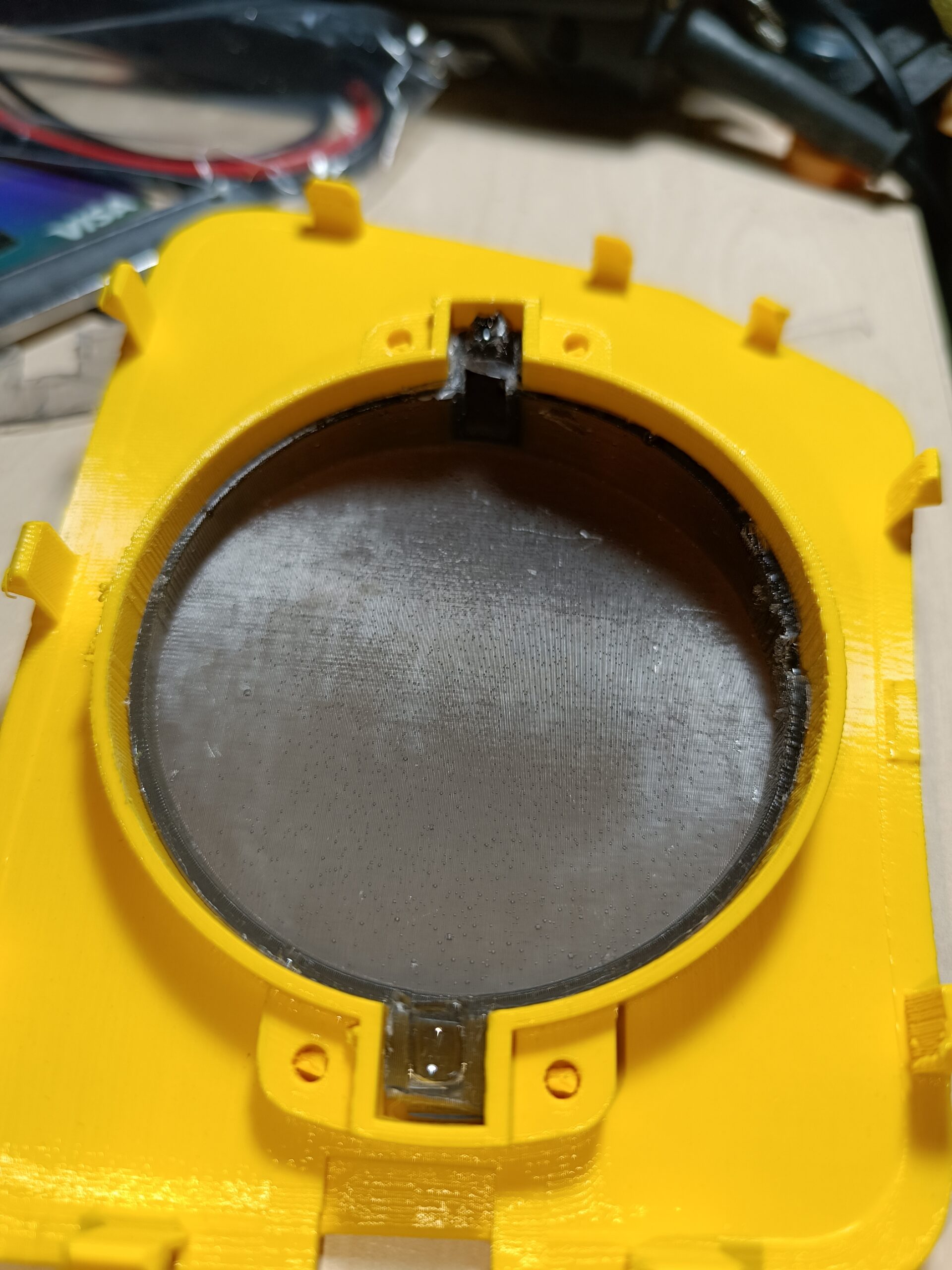
Part engineering: Using volumetric scanning and 3D remeshing, the exact geometry of the original cover was replicated. This allowed the design of a custom mount that perfectly houses both the optics and electronic components, ensuring a precise fit.
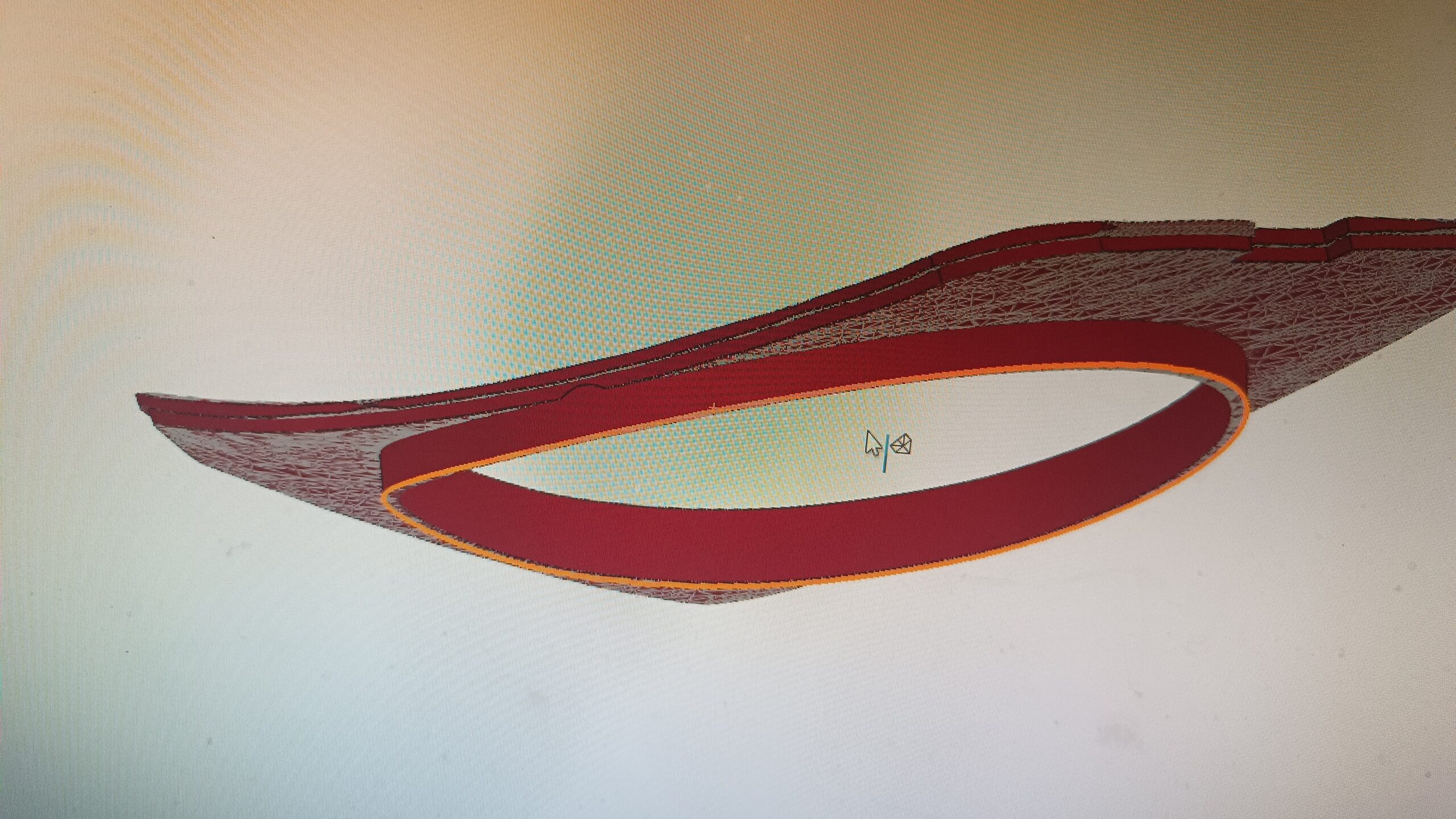
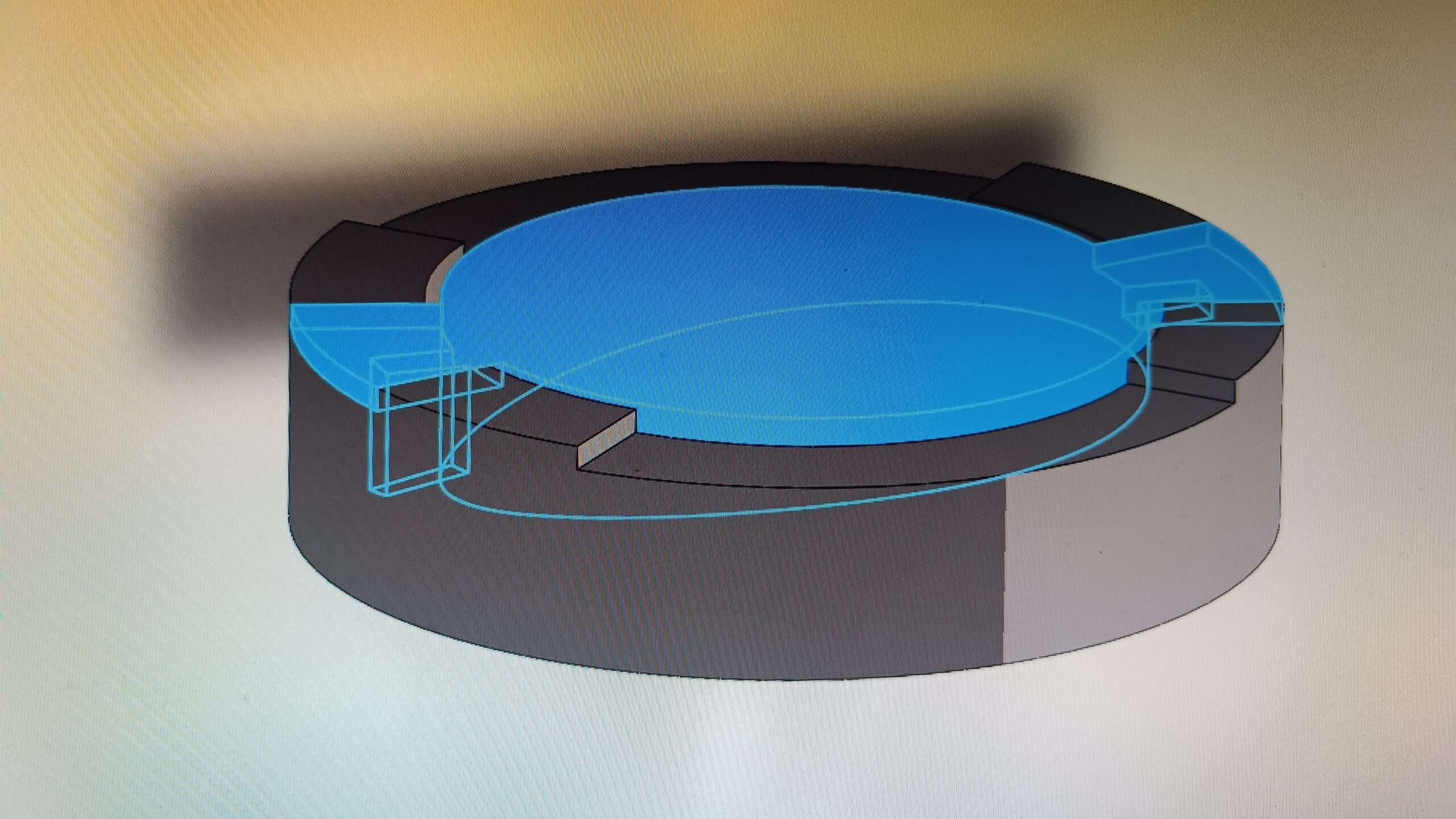
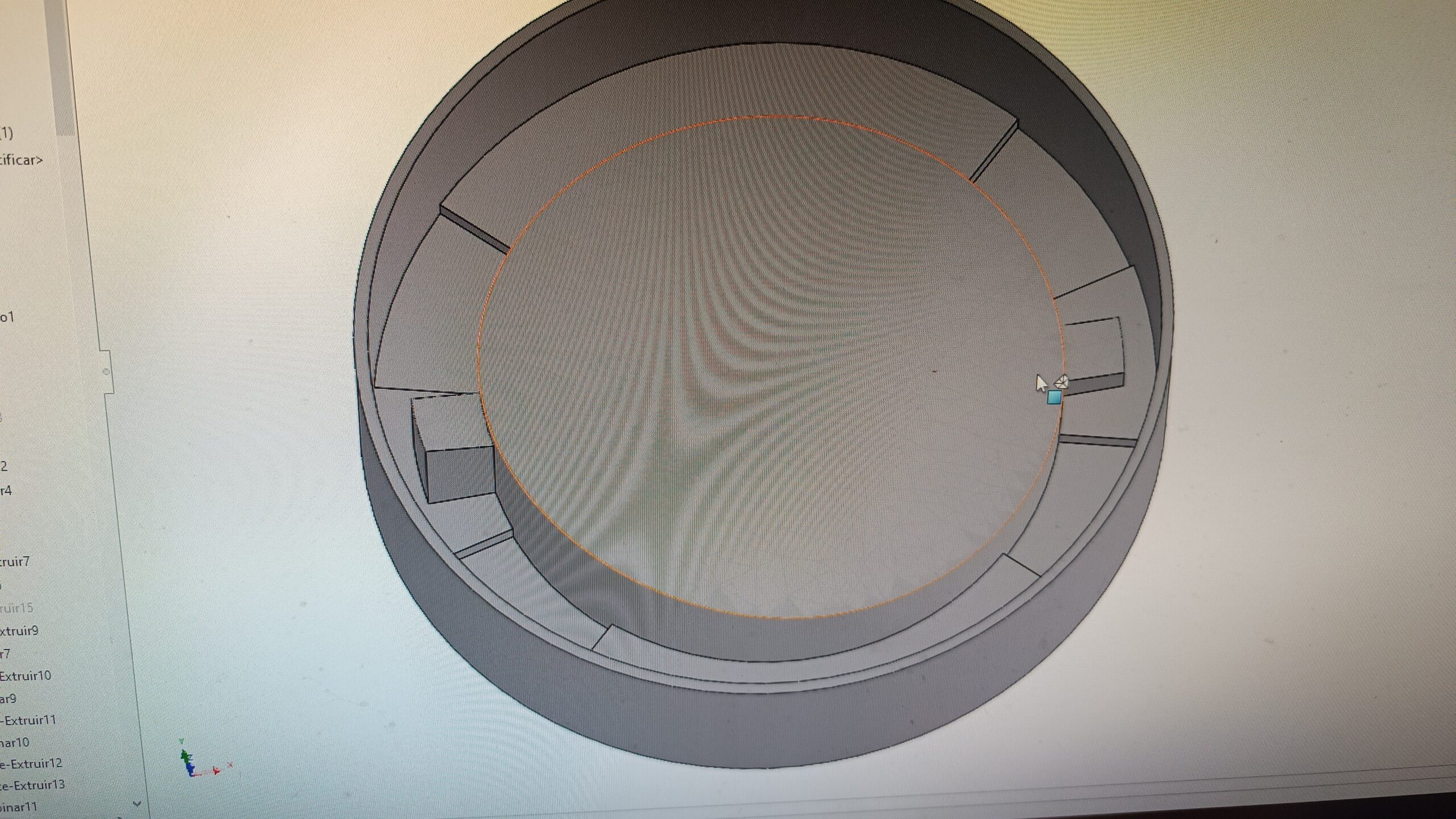
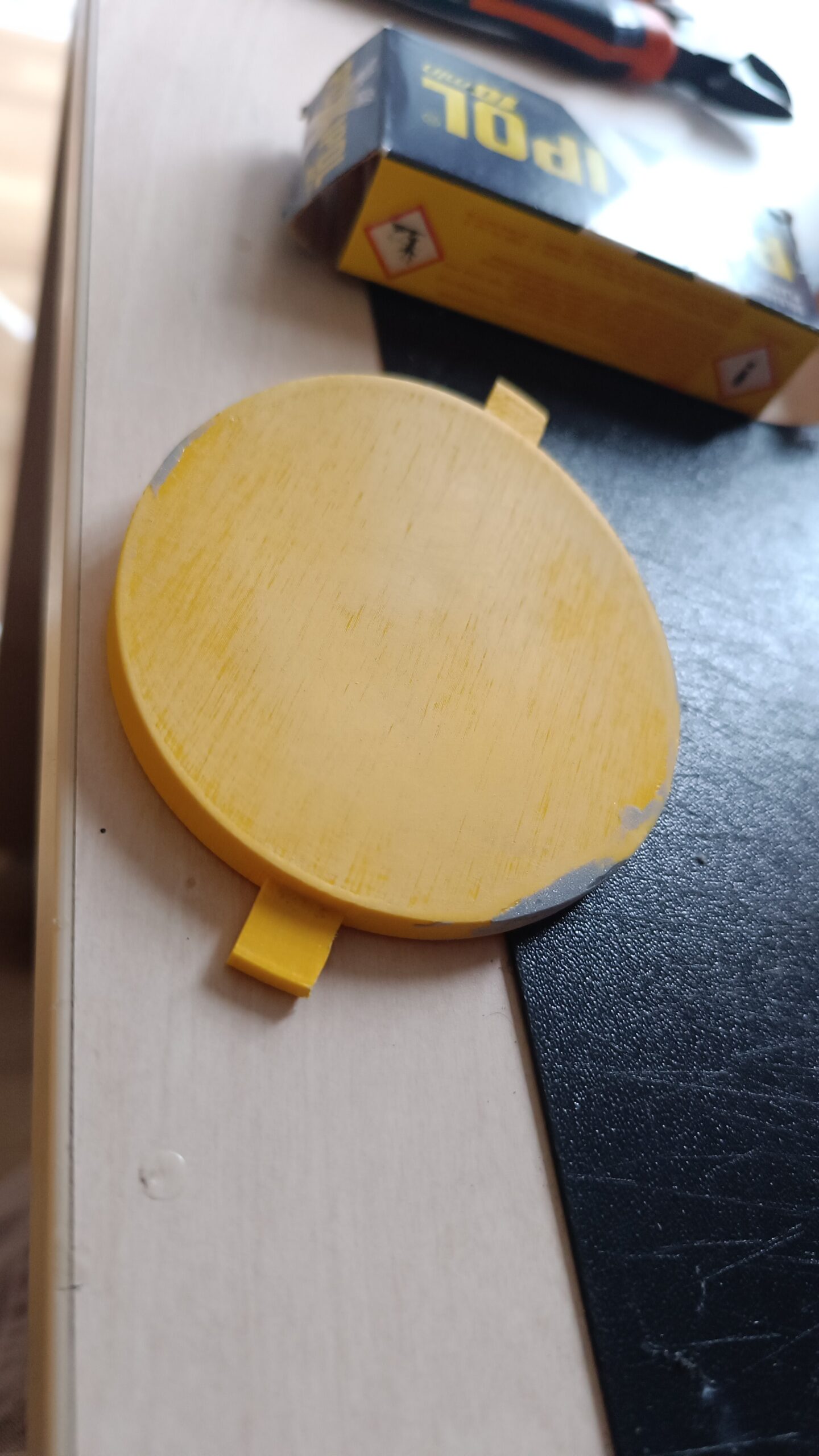
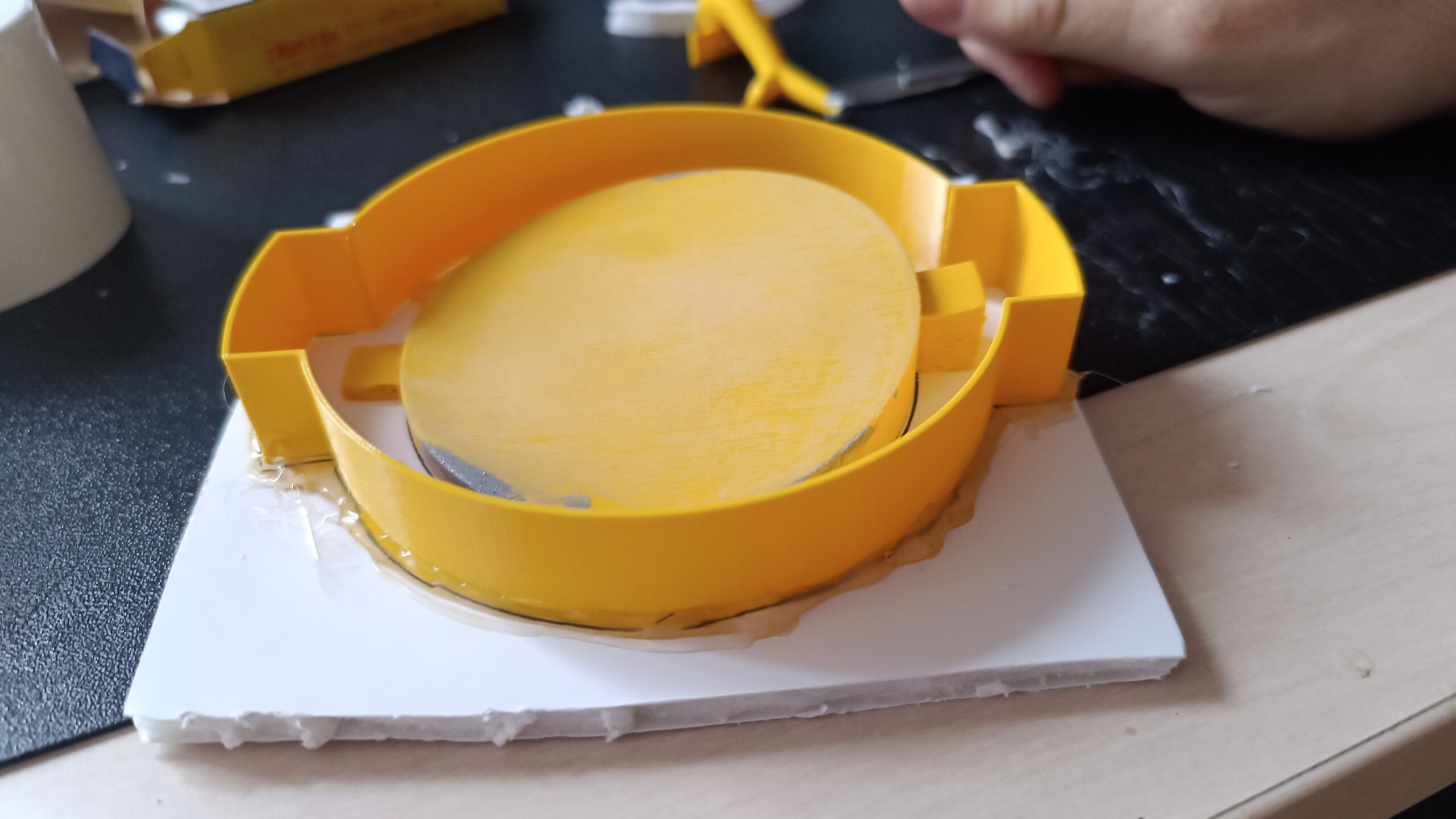
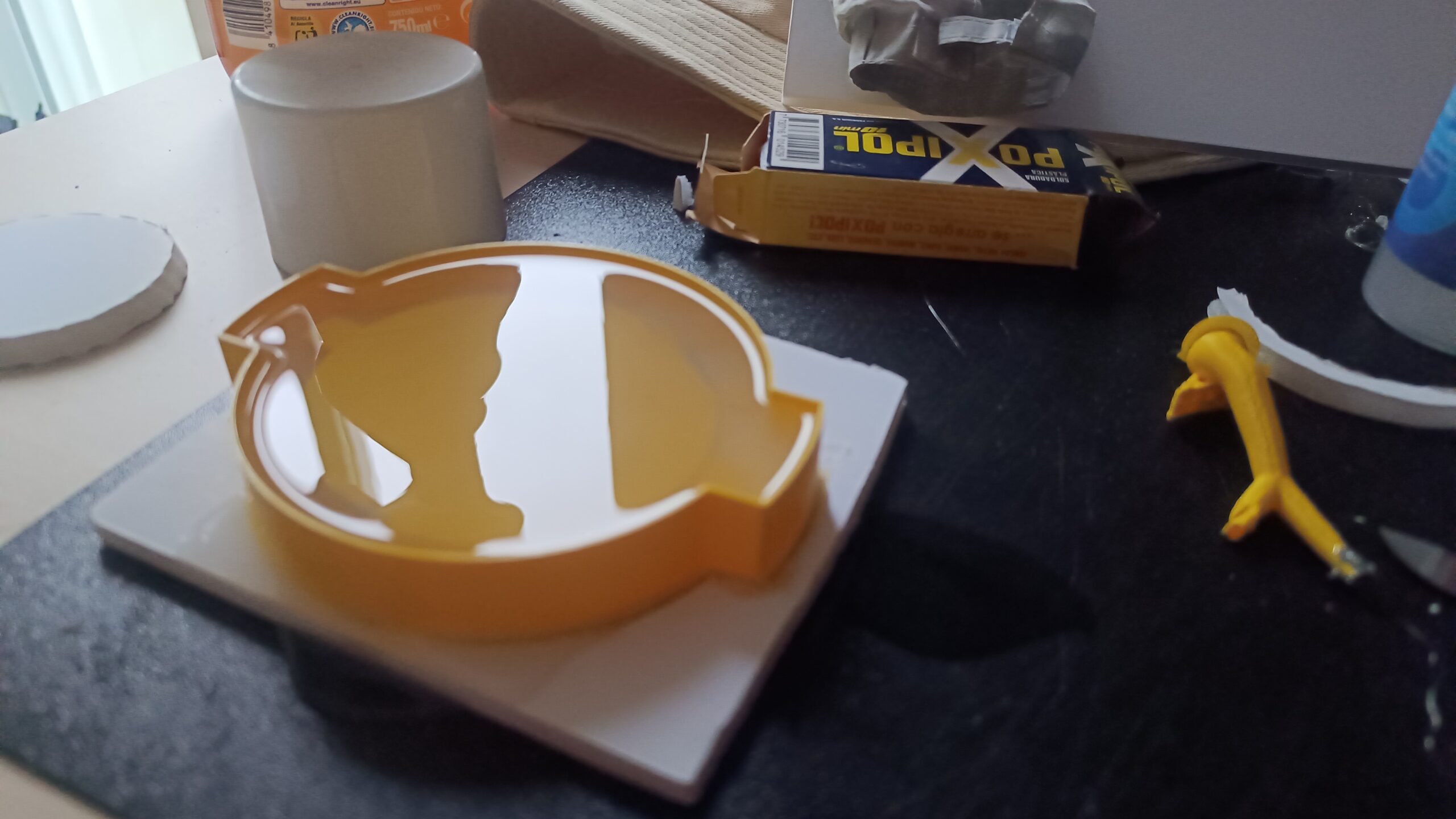
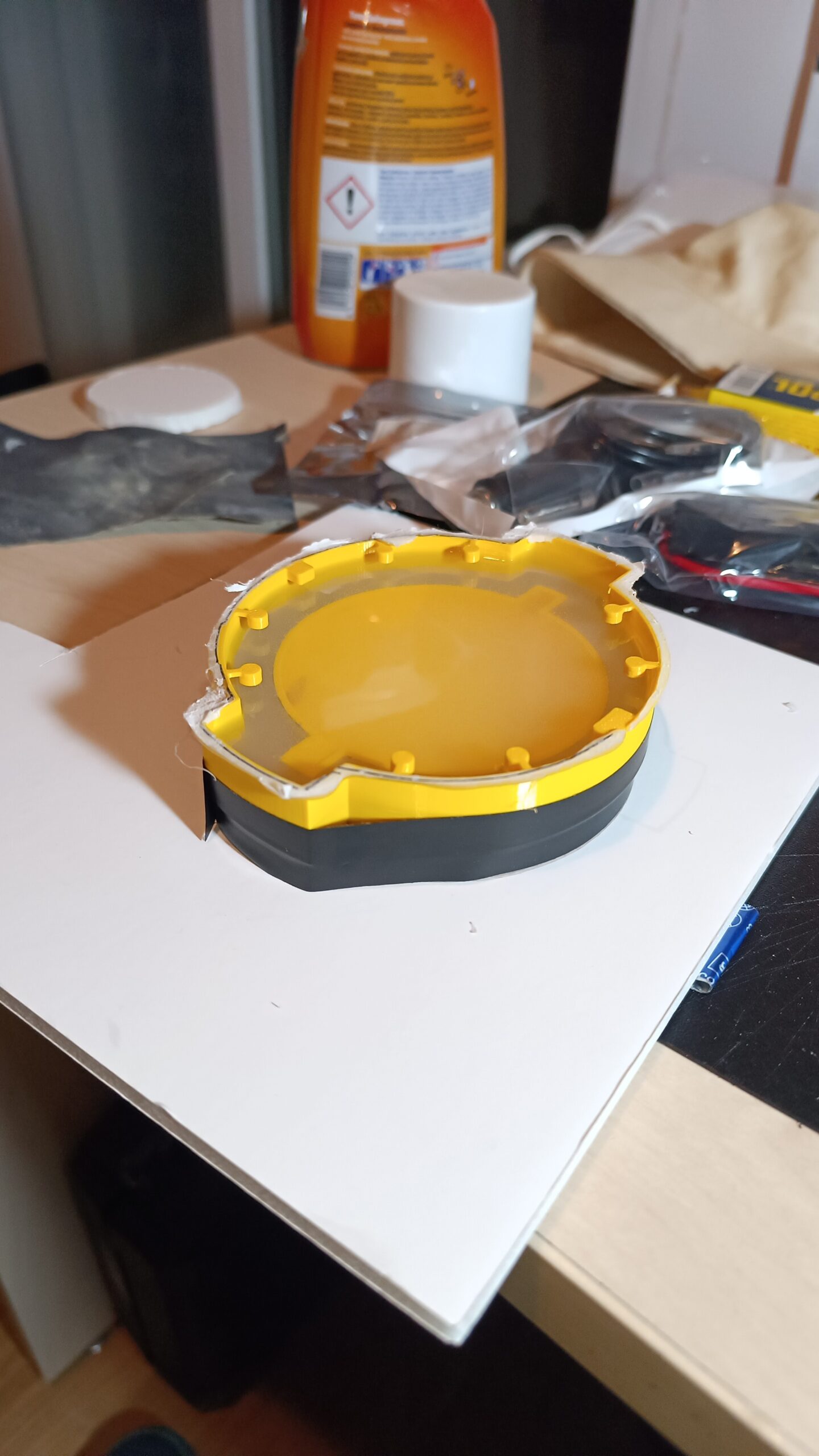
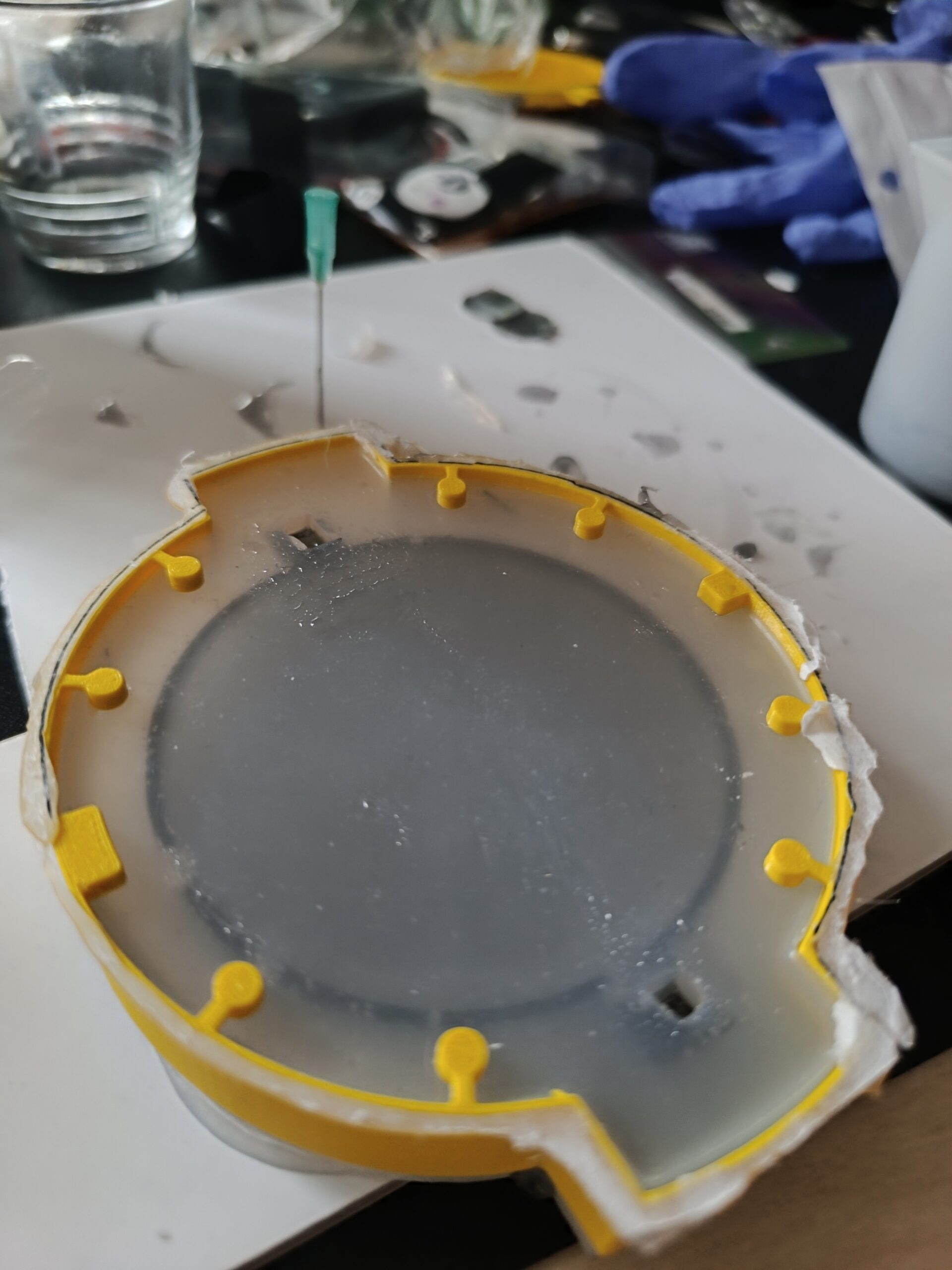
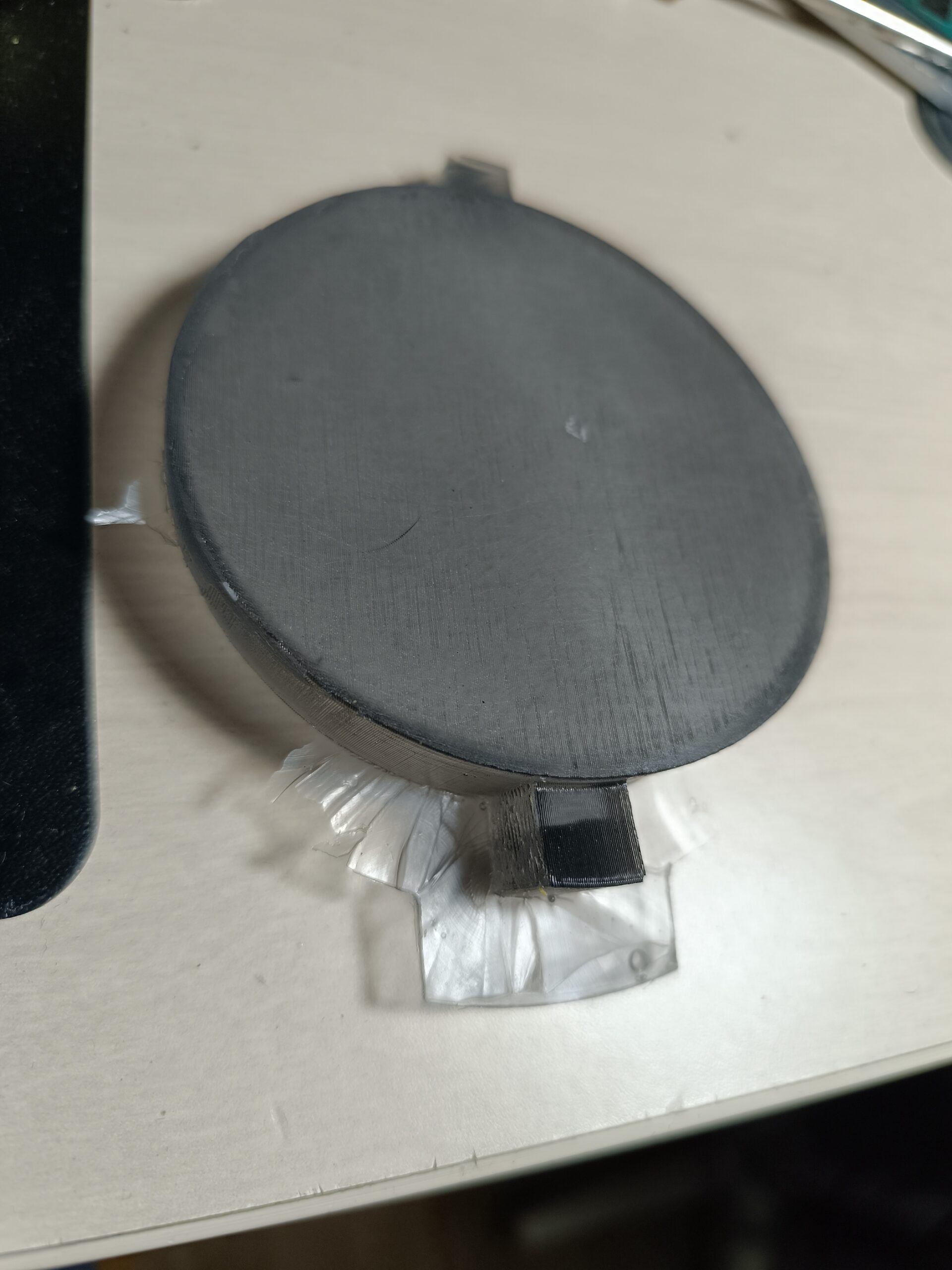
Manufacturing and aesthetic design: To achieve a discreet integration, the appearance of the original part was preserved, adding a round translucent lens. Due to its curved shape, 3D printing was used to create specific molds into which tinted epoxy resin was cast; this allows the light to pass uniformly while hiding the LEDs when turned off.
Thermal management and power supply: System durability was optimized by adding an extra heatsink to the LED board for efficient passive cooling. For power, both lights are connected to a 12V cigarette lighter socket with an integrated fuse, taking advantage of the 150W available in the trunk socket without interfering with the vehicle’s main wiring.